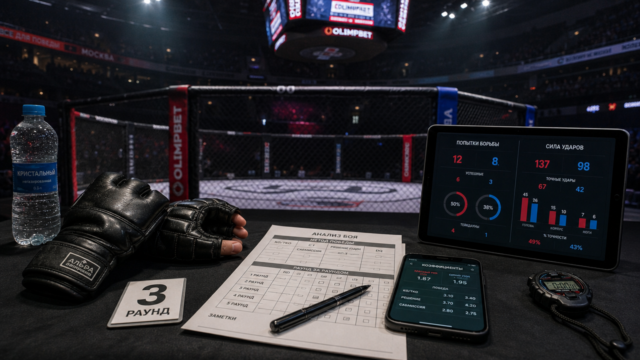
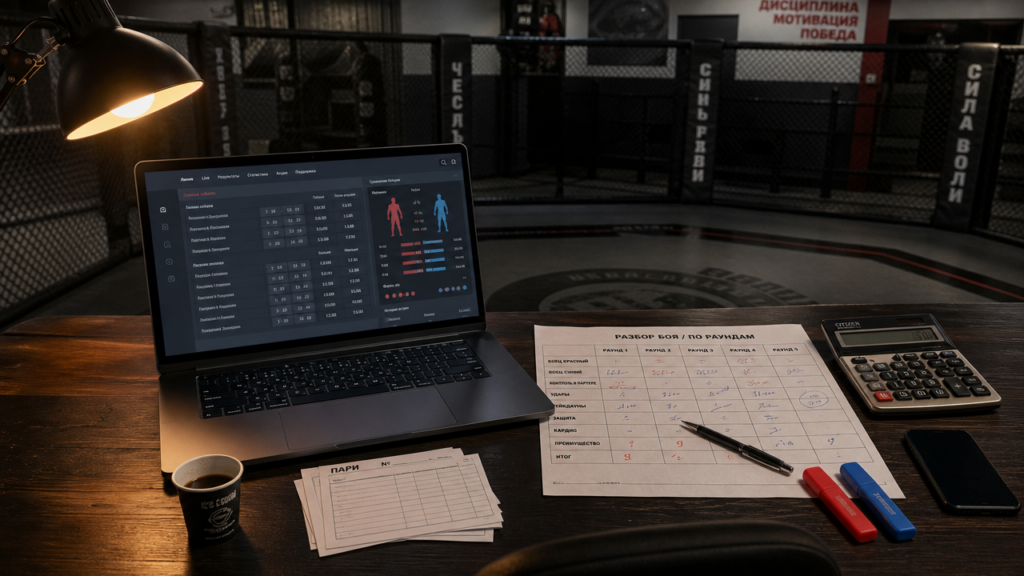
MMA fight betting focuses on individual outcomes rather than team form. The main markets cover the winner, method of victory, round totals, and whether the fight ends early. A sound analysis starts with the matchup: fighting styles, fitness, records, mindset, weight class, venue, and changes to the fight card can all affect the line.
Fighter Styles and Matchup Mechanics
MMA betting differs from team-sport betting because one fighter’s skills and decisions can shape the entire contest. A pressure wrestler may look for takedowns and control, while a striker may try to keep the fight at range. A submission specialist needs sustained grappling positions, whereas a fighter with strong scrambling may escape before a finish develops.
The matchup matters more than a single headline statistic. Takedown volume does not guarantee control time, and striking numbers do not show how often a fighter can maintain distance. Analysts should compare wrestling offense with takedown defense, assess clinch work, and consider whether either fighter can force the preferred pace.
Fitness and psychology also affect the fight script. A fighter who fades late may lose value in longer contests, while a disciplined defensive approach can reduce the chance of an early finish. Venue and card changes deserve attention because a replacement opponent or altered fight length can change the available markets.
Method-of-Victory Props and Round Betting
Method-of-victory props cover knockout, submission, and decision outcomes. The most useful comparisons involve a fighter’s finishing style and the opponent’s defensive profile. A knockout-focused pick becomes less attractive against an opponent who avoids prolonged exchanges, while a submission angle requires a realistic path to sustained control.
Round totals depend partly on weight class. Heavyweight fights tend to carry more early-finish risk, while lighter divisions can produce longer contests, though the matchup remains decisive. Standard fights commonly use three rounds, while title fights use five. Exact-round markets require a clear sequence of events and carry more variance than broader totals.
Draws are rare, but they remain a possible outcome. Lines can differ between providers, and some platforms offer markets such as exact round winners or additional method-of-victory options. Comparing prices matters because the same position can have different implied probabilities across the market.
Building a Fight Betting Position
Start by identifying the most likely fight script. Ask which fighter controls distance, who benefits from clinches, and whether either athlete has a reliable route to a takedown or submission. Then compare that script with the available odds rather than betting on a favorite without analysis.
A moneyline position may be suitable when one fighter has advantages across several areas. A method-of-victory prop can offer more specific exposure when the finishing route is clear. Round totals may be preferable when both fighters have styles that point toward either sustained action or an early finish.
Avoid combining selections simply because they appear related. Parlays increase variance, and a single incorrect fight-script assumption can affect multiple legs. Smaller stakes are appropriate for high-variance finishing props, while broader markets may justify a larger position when the analysis is stronger.
Card and Market Checks
Review the full card before placing a wager. Opponent changes, weight-class differences, scheduled fight length, and late fitness news can affect the line. A bet based on an earlier matchup should be reconsidered if the opponent or event conditions change.
The most useful analysis connects style, preparation, and market price. A wrestling advantage may lose value against strong takedown defense. A striking advantage may matter less if the opponent can control the fence. Totals should reflect both the division and the likely pace rather than a weight-class trend alone.
Risk management remains part of the process. Set a stake before betting, keep high-variance props smaller, and avoid treating a favorable matchup as a guarantee. MMA results depend on individual execution, psychology, and strategy, so no single statistic can describe the entire fight.